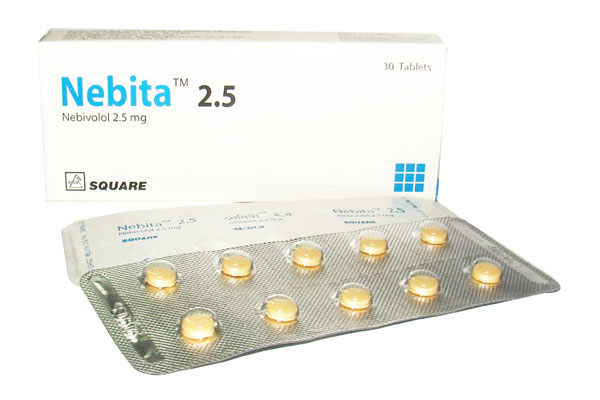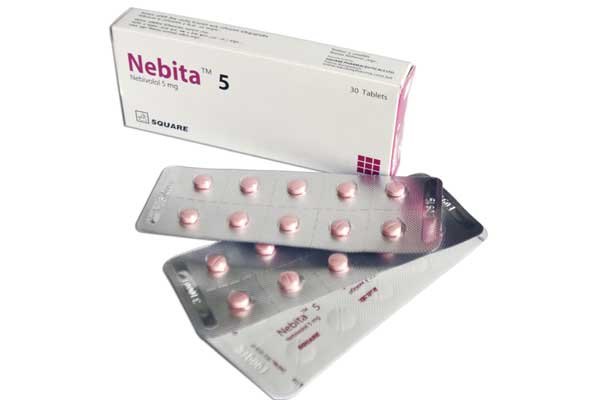
Indications - Nebivolol is indicated in- Hypertension Treatment of essential hypertension Chronic heart failure (CHF) Treatment of stable mild and moderate chronic heart failure in addition to standard therapies in elderly patients.
Dosage & Administration - The dose of Nebivolol should be individualized to the needs of the patient. For most patients, the recommended starting dose is 5 mg once daily, with or without food, as monotherapy or in combination with other agents. For patients requiring further reduction in blood pressure, the dose can be increased at 2-week intervals up to 40 mg. A more frequent dosing regimen is unlikely to be beneficial.
Side Effects - Headache, nausea and bradycardia.
Contraindications - Nebivolol is contraindicated in patients with severe bradycardia, heart block greater than first degree, cardiogenic shock, decompensated cardiac failure, sick sinus syndrome (unless a permanent pacemaker is in place), or severe hepatic impairment (Child-Pugh >B), and in patients who are hypersensitive to any component of this product.
Others - Use in Special Populations Impaired Renal Function: Nebivolol should be used with caution in patients with severe renal impairment because of decreased renal clearance. Nebivolol has not been studied in patients receiving dialysis. Impaired Hepatic Function: Nebivolol should be used with caution in patients with moderate hepatic impairment because of decreased metabolism. Since Nebivolol has not been studied in patients with severe hepatic impairment, Nebivolol is contraindicated in this population. Risk of Anaphylactic Reactions: While taking β-blockers, patients with a history of severe anaphylactic reactions to a variety of allergens may be more reactive to repeated challenges either accidental, diagnostic, or therapeutic. Such patients may be unresponsive to the usual doses of epinephrine used to treat allergic reactions.
Carnovas 10 Tablet
- Brand Name - Carnovas 10 Tablet
- Generic Name - Nebivolol Hydrochloride
- Doges From - Tablet
- Strength - 10 mg
- Pack Size - 30s
- Manufacture - Beximco Pharmaceuticals Ltd
Customers who bought this item also bought