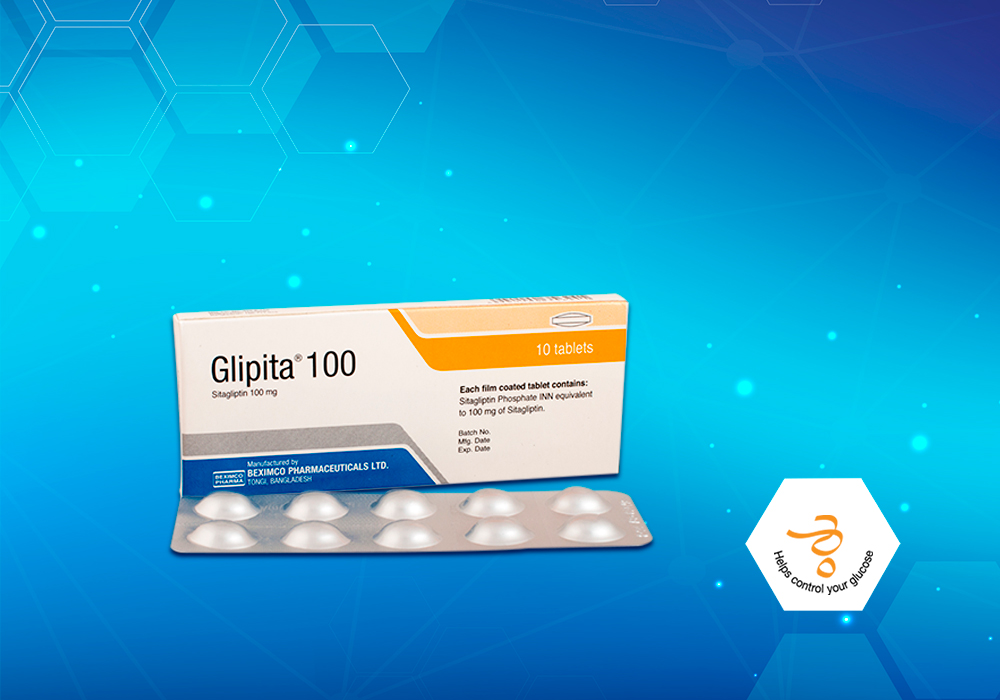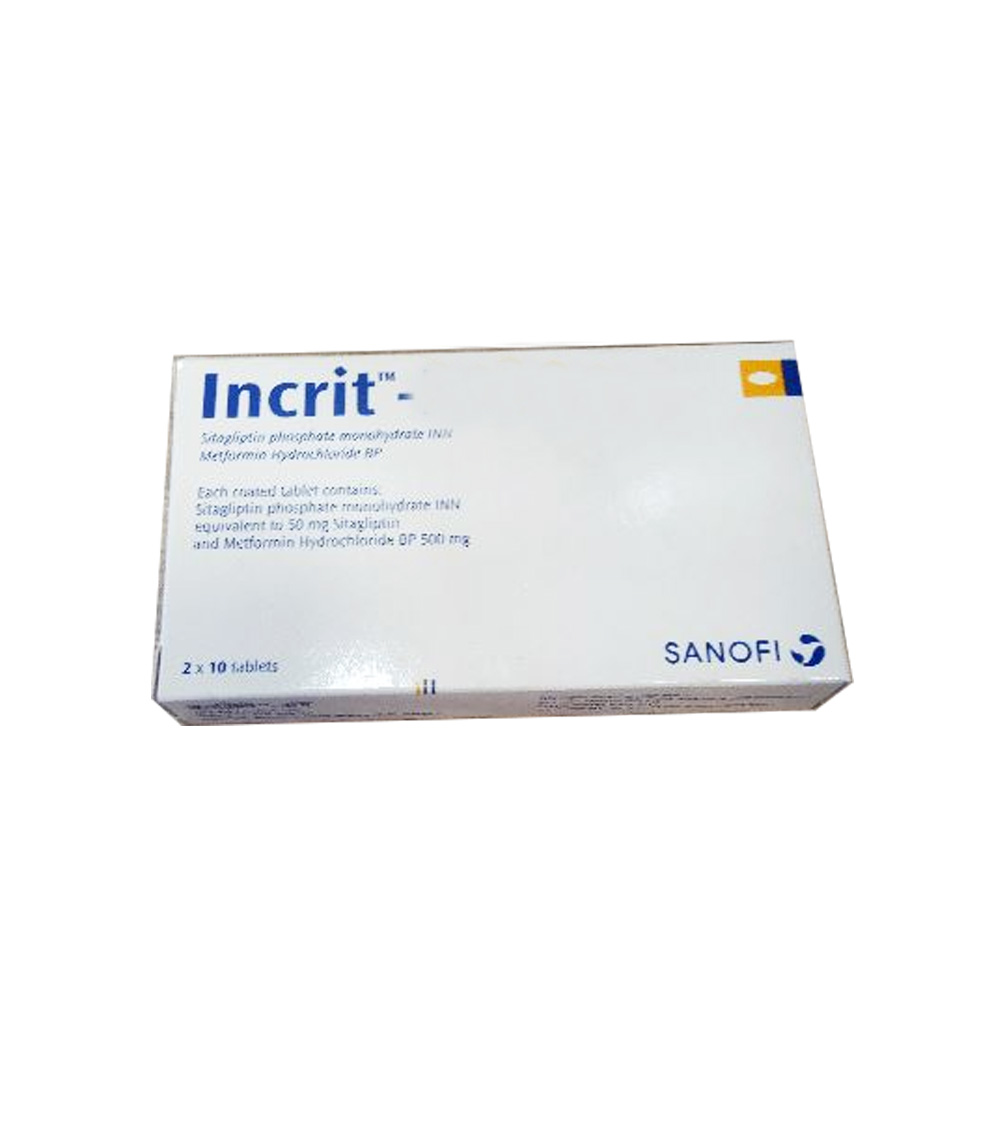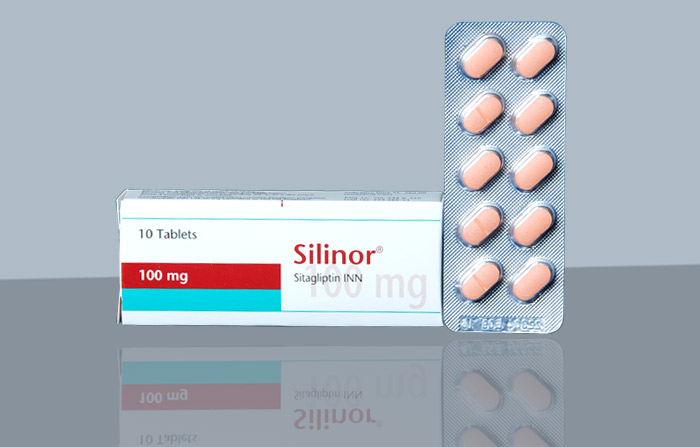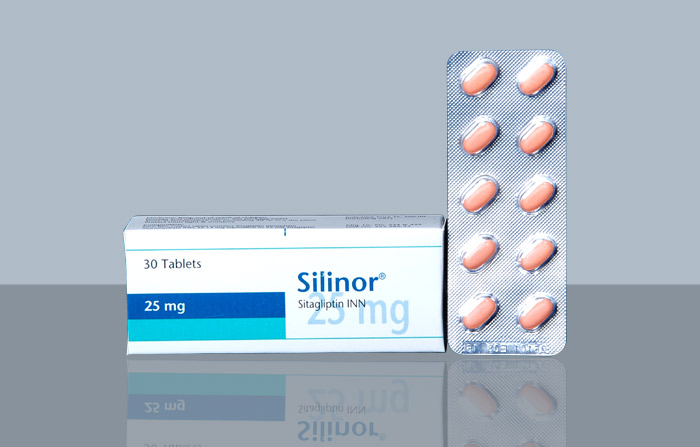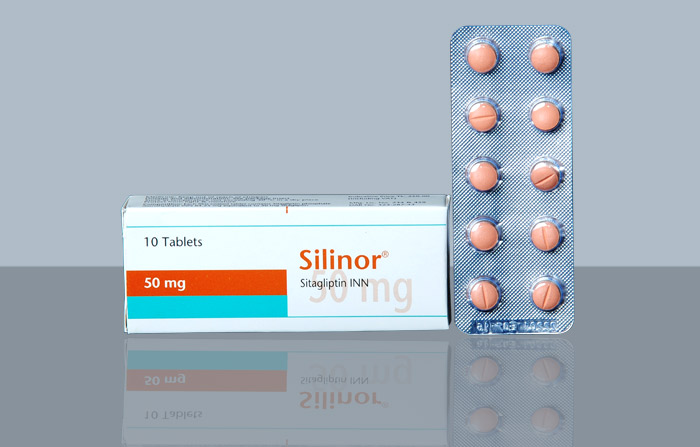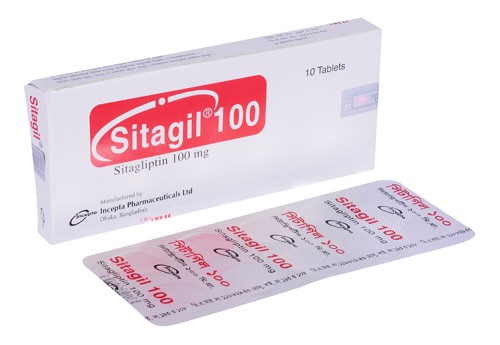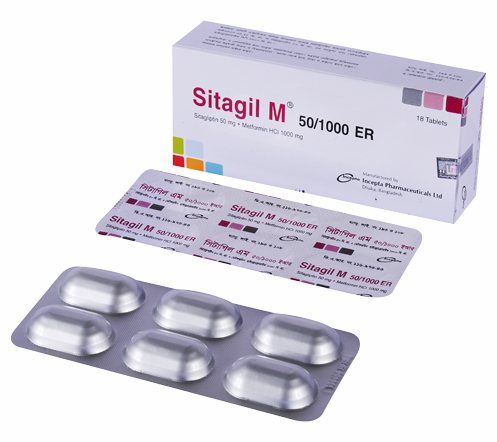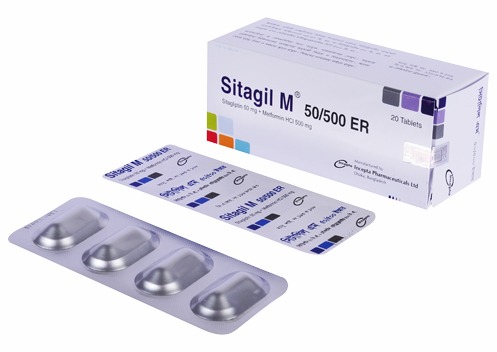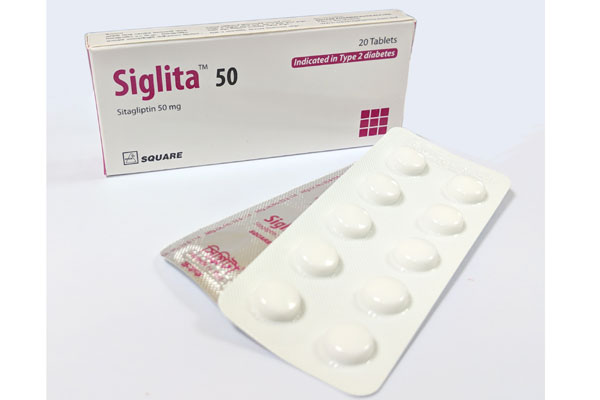

Indications - Monotherapy and Combination Therapy: Sitagliptin is indicated as an adjunct to diet and exercise to improve glycemic control in adults with type 2 diabetes mellitus. Important Limitations of Use: Sitagliptin should not be used in patients with type 1 diabetes or for the treatment of diabetic ketoacidosis, as it would not be effective in these settings. Sitagliptin has not been studied in patients with a history of pancreatitis. It is unknown whether patients with a history of pancreatitis are at increased risk for the development of pancreatitis while using Sitagliptin.
Dosage & Administration - The recommended dose of sitagliptin is 50 mg twice a day and 100 mg once daily. Sitagliptin can be taken with or without food
Side Effects - The most common adverse reactions include headache, upper respiratory tract infection and nasopharyngitis. Hypoglycemia may occur in patients treated with the combination to Sitagliptin and sulfonylurea and add on to insulin.
Contraindications - History of a serious hypersensitivity reaction to sitagliptin, such as anaphylaxis or angioedema.
Others - Pregnancy & Lactation Pregnancy Category B. Reproduction studies have been performed in rats and rabbits. Because animal reproduction studies are not always predictive of human response, this drug should be used during pregnancy only if clearly needed. Sitagliptin is secreted in the milk of lactating rats at milk to plasma ratio of 4:1. It is not known whether sitagliptin is excreted in human milk. Because many drugs are excreted in human milk, caution should be exercised when sitagliptin is administered to a nursing woman.
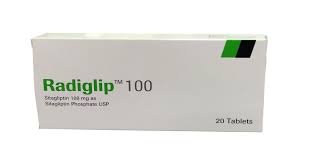
Radiglip 100 Tablet
- Brand Name - Radiglip 100 Tablet
- Generic Name - Sitagliptin
- Doges From - Tablet
- Strength - 100 mg
- Pack Size - 20s
- Manufacture - Radiant Pharmaceutical Limited
Customers who bought this item also bought