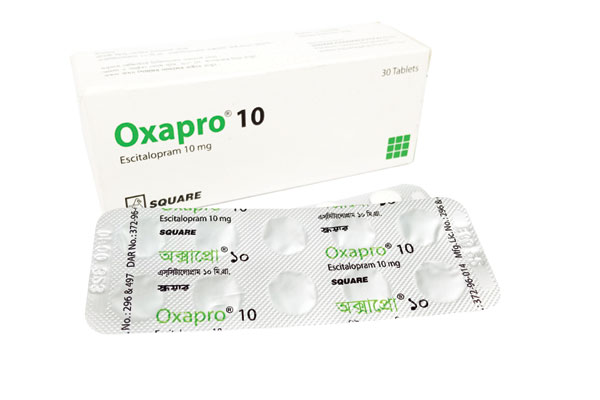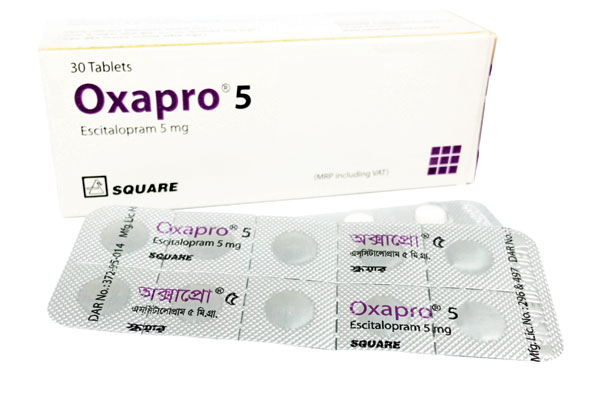

Indications - Escitalopram Oxalate is indicated in the following indications- Major depressive episodes Generalized anxiety disorder Obsessive-compulsive disorder Panic disorder with or without agoraphobia & Social anxiety disorder (social phobia).
Dosage & Administration - Dosage Major depressive episodes, Generalized anxiety disorder, Obsessive-compulsive disorder: Initial: 10 mg once daily Maximum: 20 mg once daily. Panic disorder: Initial: 5 mg once daily Maximum: 20 mg once daily. Social anxiety disorder (social phobia): Initial: 10 mg once daily (maybe decreased up to 5 mg) Maximum: 20 mg once daily. For elderly (>65 years of age) & hepatic impairment patients: Initial: 5 mg once daily Maximum: 10 mg once daily Administration Escitalopram should generally be administered once daily, morning or evening with or without food.
Side Effects - SSRIs are less sedating and have fewer antimuscarinic and cardiotoxic effects than tricyclic antidepressants. Side-effects of the SSRIs include gastrointestinal effects (dose-related and fairly common include nausea, vomiting, dyspepsia, abdominal pain, diarrhoea, constipation), anorexia with weight loss (increased appetite and weight gain also reported) and hypersensitivity reactions including rash, urticaria, angioedema, anaphylaxis, arthralgia, myalgia, and photosensitivity; other side-effects include dry mouth, nervousness, anxiety, headache, insomnia, tremor, dizziness, asthenia, hallucinations, drowsiness, convulsions, galactorrhoea, sexual dysfunction, urinary retention, sweating, hypomania or mania, movement disorders and dyskinesias, visual disturbances.
Contraindications - Escitalopram is contraindicated in patients with known hypersensitivity to Escitalopram or Citalopram or any of the inactive ingredients of the drug product. Concomitant use of escitalopram in patients taking monoamine oxidase/pimozide is contraindicated.
Others - Pregnancy & Lactation When treating a pregnant woman with Escitalopram during the third trimester, the physician should carefully consider the potential risks and benefits of treatment. It is excreted in human breast milk. The decision whether to continue or discontinue either nursing or Escitalopram therapy should take into account the risk of citalopram exposure for the infant and the benefits Escitalopram treatment for the mother.
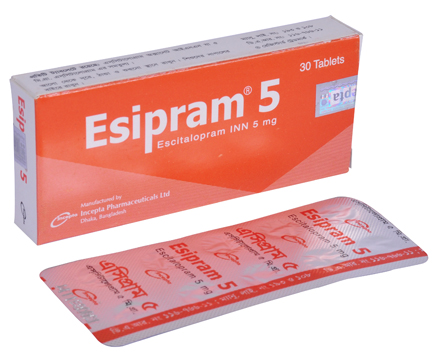
Esipram 5 Tablet
- Brand Name - Esipram 5 Tablet
- Generic Name - Escitalopram Oxalate
- Doges From - Tablet
- Strength - 5 mg
- Pack Size - 30s
- Manufacture - Incepta Pharmaceuticals Ltd.
Customers who bought this item also bought