
Indications - Flavoxate is indicated for symptomatic relief of dysuria, urgency, nocturia, suprapubic pain, frequency and incontinence as may occur in cystitis, prostatitis, urethritis and urethrocystitis.
Dosage & Administration - Adults and children over 12 years of age: 100 mg to 200 mg 3 times a day. With improvement of symptoms, the dose may be reduced. Pediatric Use: Safety and effectiveness in children below the age of 12 years have not been established.
Side Effects - Gastrointestinal: Nausea, vomiting, dry mouth. CNS: Vertigo, headache, mental confusion, especially in the elderly, drowsiness, nervousness. Hematologic: Leukopenia (which is reversible upon discontinuation of the drug). Cardiovascular: Tachycardia and palpitation. Allergic: Urticaria and other dermatoses, eosinophilia and hyperpyrexia. Ophthalmic: Increased ocular tension, blurred vision, disturbance in eye accommodation.
Contraindications - Flavoxate is contraindicated in patients who have any of the following obstructive conditions: pyloric or duodenal obstruction, obstructive intestinal lesions or ileus, achalasia, gastrointestinal hemorrhage and obstructive uropathies of the lower urinary tract.
Others - Pregnancy & Lactation Pregnancy: Pregnancy Category B. This drug should be used during pregnancy only if clearly needed. Nursing Mothers: It is not known whether this drug is excreted in human milk. Caution should be exercised when flavoxate is administered to a nursing woman.
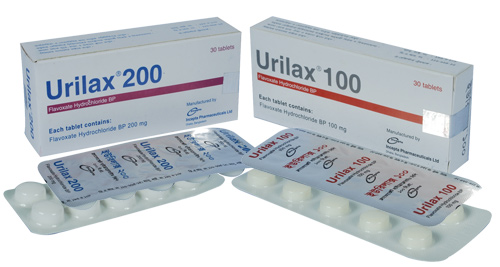
Urilax 100 Tablet
- Brand Name - Urilax 100 Tablet
- Generic Name - Flavoxate Hydrochloride
- Doges From - Tablet
- Strength - 100 mg
- Pack Size - 30s
- Manufacture - Incepta Pharmaceuticals Ltd.
Customers who bought this item also bought