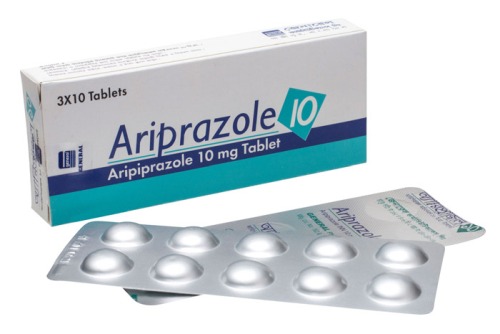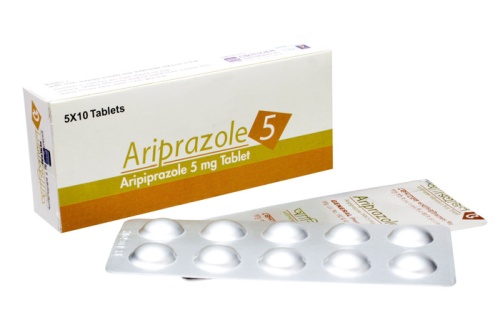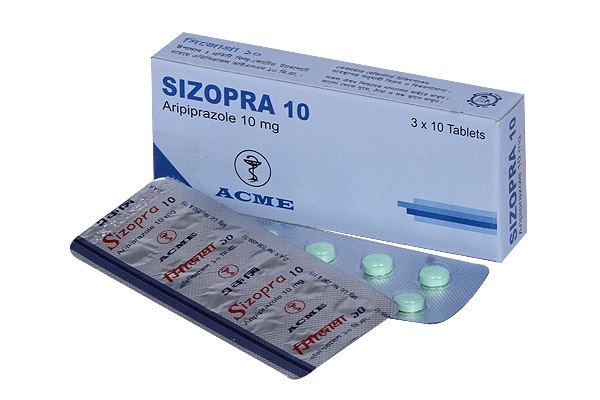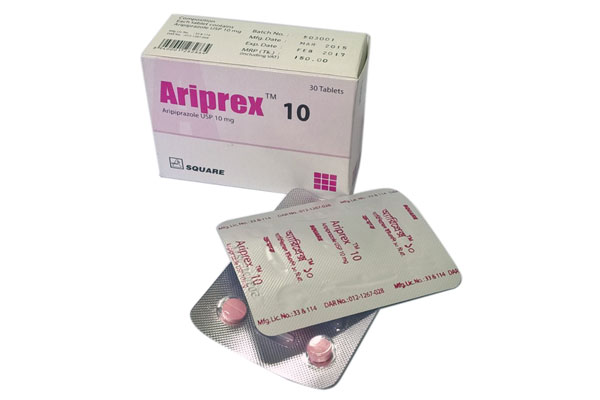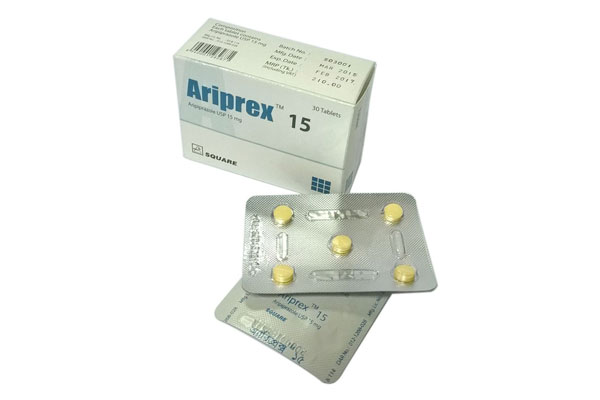

Indications - Aripiprazole is indicated for- Schizophrenia Schizoaffective disorder Acute manic and mixed episodes associated with Bipolar I Disorder Maintaining efficacy in patients with Bipolar I Disorder who are stabilized
Dosage & Administration - For Schizophrenia: 10 to 15 mg, once daily, without regard to food. Dose increment should not be made before 2 weeks, the time needed to achieve steady state. For Bipolar mania: 30 mg, once daily, without regard to food.
Side Effects - Headache, constipation, asthenia, nausea, dyspepsia, vomiting, coughing, abdominal pain
Contraindications - Aripiprazole is contraindicated in patients who are hypersensitive to it or to any component of this product.
Others - Pregnancy & Lactation Aripiprazole should not be used in pregnancy as no human trial is performed. Patients should be advised not to breast feed an infant if they are taking aripiprazole. Precautions & Warnings Aripiprazole may be associated with orthostatic hypotension (orthostatic lightheadedness). Aripiprazole should be used with caution in patients with known cardiovascular disease (myocardial infarction or ischaemic heart disease, heart failure or conduction abnormalities), cerebrovascular disease, or conditions that would predispose patients to hypotension (dehydration, hypovolemia, and treatment with antihypertensive medications). Seizures occurred in aripiprazole-treated patients. As with other antipsychotic drugs, aripiprazole should be used cautiously in patients with Alzheimer's dementia. Aripiprazole is not approved for the treatment of patients with dementia-related psychosis. Overdose Effects Aripiprazole at doses up to 1080 mg causes no fatalities. The signs and symptoms observed with aripiprazole overdose included nausea, vomiting, asthenia, diarrhea, and somnolence
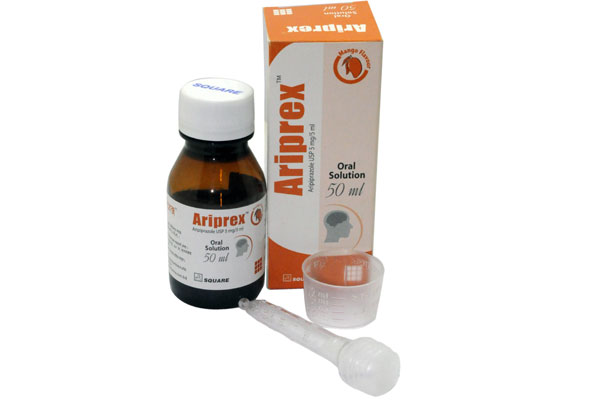
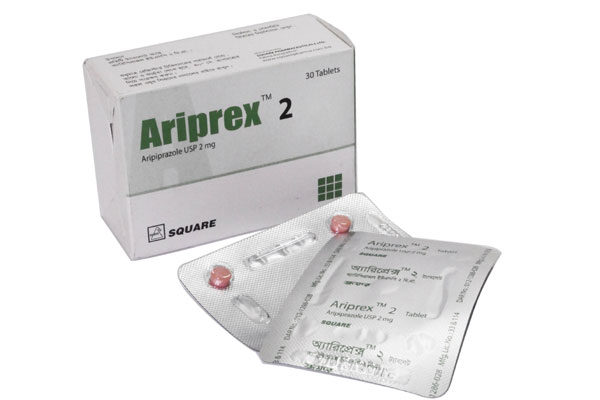
Tablet Ariprex 2mg
- Brand Name - Ariprex 2 Tablet
- Generic Name - Aripiprazole
- Doges From - Tablet
- Strength - 2 mg
- Pack Size - 30s
- Manufacture - Square Pharmaceutical Ltd.
Customers who bought this item also bought