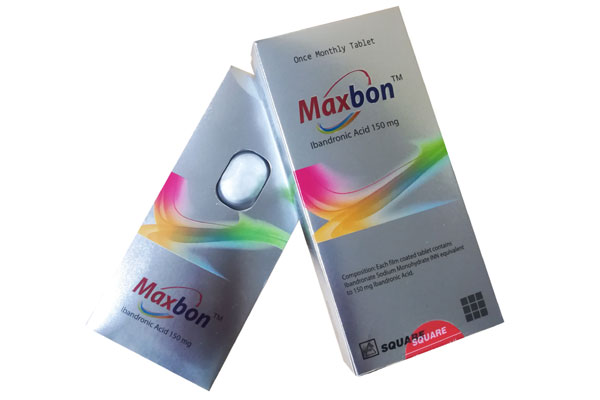

Indications - It is indicated for: Treatment and prevention of postmenopausal osteoporosis in women Treatment and prevention of osteoporosis in men
Dosage & Administration - The recommended dose for the treatment and prevention of osteoporosis is 150 mg tablet once in a month and on the same date of each month is recommended.
Side Effects - In a one-year study in patients with osteoporosis treated with ibandronate 150 mg once monthly, the majority of adverse drug reactions observed, were mild to moderate in intensity, and most cases did not lead to cessation of therapy. Common adverse reactions include dyspepsia, nausea, diarrhoea, constipation, abdominal pain, myalgia, headache, mild flu-like symptoms, dizziness, skin rash.
Contraindications - Ibandronic Acid is contraindicated in any patient who has shown a hypersensitivity reaction to the drug or to any of the excipients, hypocalcemia and inability to stand or sit upright for at least 1 hour.
Others - Use in pregnancy: Pregnancy Category C. There are no adequate and well-controlled studies in pregnant women. It should be used during pregnancy only if the potential benefit justifies the potential risk to the mother and fetus. Use in nursing mothers: It is not known whether it is excreted in human milk. Because many drugs are excreted in human milk, caution should be exercised when it is administered to a nursing woman. Overdose Effects No specific information is available on the treatment of overdose with ibandronic acid. However, oral overdose may result in hypocalcemia, hypophosphatemia, upset stomach, dyspepsia, esophagitis, gastritis. Milk or antacids should be given to bind Ibandronic Acid
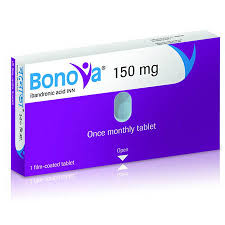
Bonova Tablet
- Brand Name - Bonova Tablet
- Generic Name - Ibandronic Acid
- Doges From - Tablet
- Strength - 150 mg
- Pack Size - 1s
- Manufacture - Radiant Pharmaceutical Limited
Customers who bought this item also bought