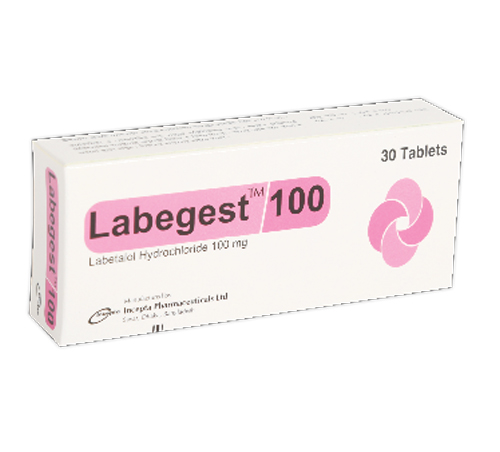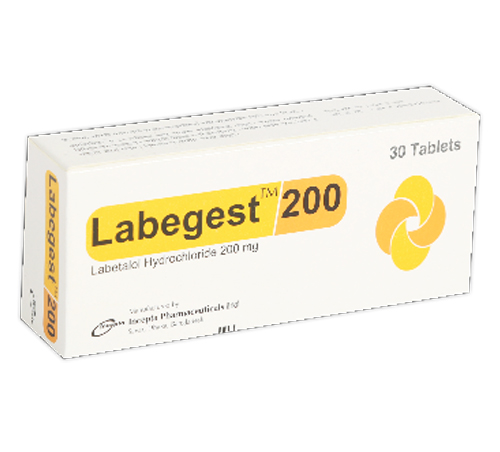

Indications - Labetalol Hydrochloride indicated in the management of hypertension. Labetalol tablets may be used alone or in combination with other antihypertensive agents, especially thiazide and loop diuretics.
Dosage & Administration - Adult: The recommended initial dosage is 100 mg twice daily whether used alone or added to a diuretic regimen. The usual maintenance dosage of Labetalol Hydrochloride is between 200 and 400 mg twice daily. Patients with severe hypertension: May require from 1,200 to 2,400 mg per day, with or without thiazide diuretics. Titration increments should not exceed 200 mg twice daily. Elderly Patients: The majority of elderly patients will require between 100 and 200 mg twice daily
Side Effects - Most side effects are mild and transient and occur early in the course of treatment. The incidences of adverse reactions include Fatigue, Asthenia, Headache, Nausea, Vomiting, Dyspepsia, Abdominal pain, Diarrhea, Taste distortion, Dizziness, Paresthesia, Nasal stuffiness, Increased sweating, Edema, Postural hypotension, Bradycardia, Dyspnea, Rash, Vision abnormality and Vertigo.
Contraindications - Data not found
Others - Pregnancy Category C. Teratogenic studies were performed with Labetalol in rats and rabbits at oral doses up to approximately six and four times the maximum recommended human dose (MRHD), respectively. No reproducible evidence of fetal malformations was observed. Labetalol Hydrochloride given to pregnant women with hypertension did not appear to affect the usual course of labor and delivery. Small amounts of Labetalol (approximately 0.004% of the maternal dose) are excreted in human milk. Caution should be exercised when Labetalol tablets are administered to a nursing woman
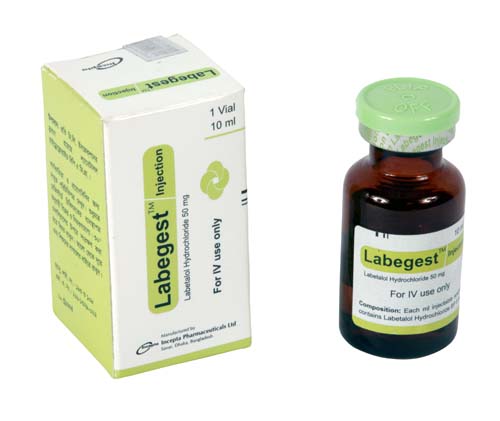
Labegest Injection
- Brand Name - Labegest Injection
- Generic Name - Labetalol Hydrochloride
- Doges From - Injection
- Strength - 5 mg
- Pack Size - 1s
- Manufacture - Incepta Pharmaceuticals Ltd.
Customers who bought this item also bought