

Indications - Alectinib indicated for the treatment of patients with anaplastic lymphoma kinase (ALK)-positive, locally advanced or metastatic non-small cell lung cancer (NSCLC) who have progressed on or are intolerant to crizotinib.
Dosage & Administration - Dosage The recommended dose of Alectinib is 600 mg (four 150 mg capsules) given orally, twice daily (total daily dose of 1200 mg). Patients with underlying severe hepatic impairment should receive a dose of 450 mg given orally twice daily (total daily dose of 900 mg). Alectinib hard capsules should be taken with food, swallowed whole and must not be opened or dissolved. Administration Duration of Treatment: It is recommended that patients are treated with Alectinib until disease progression or unmanageable toxicity. Dose Modifications: Management of adverse events may require temporary interruption, dosereduction, or discontinuation of treatment with Alectinib. The dose of Alectinib should be reduced in steps of 150 mg twice daily based on tolerability. Alectinib treatment should be permanently discontinued if patients are unable to tolerate the 300 mg twice-daily dose
Side Effects - The most common adverse drug reactions were constipation, edema including peripheral, generalized, eyelid, periorbital; myalgia (31% including myalgia and musculoskeletal pain), nausea, increased bilirubin (21% including increased blood bilirubin, hyperbilirubinemia and increased bilirubin conjugated), anemia (20%, including anemia and hemoglobin decreased), and rash (20%, including rash, rash maculopapular, dermatitis acneiform, erythema, rash generalized, rash papular, rash pruritic and rash macular).
Contraindications - Alectinib is contraindicated in patients with a known hypersensitivity to alectinib or any of the excipients.
Others - Pregnancy & Lactation Pregnancy: Women of childbearing potential must be advised to avoid pregnancy while on Alectinib. No clinical studies of Alectinib in pregnant women have been performed. Based on its mechanism of action, Alectinib may cause fetal harm when administered to a pregnant woman. Female patients or women who are partners of male patients receiving Alectinib, who become pregnant while taking Alectinib or during the 3 months following the last dose of Alectinib must contact their doctor and should be advised of the potential harm to the fetus. Lactation: It is not known whether Alectinib is excreted in human breast milk. No studies have been conducted to assess the impact of Alectinib on milk production or its presence in breast milk. As many drugs are excreted in human milk and because of the potential harm to the infant, mothers should be advised against breastfeeding while receiving Alectinib. Contraception: Female patients of child-bearing potential, or women of child-bearing potential who are partners of male patients receiving Alectinib, must use highly effective contraceptive methods during treatment and for at least 3 months following the last dose of Alectinib
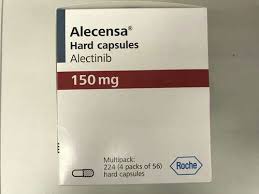
Alecensa Capsule
- Brand Name - Alecensa 150 Capsule
- Generic Name - Alectinib
- Doges From - Capsule
- Strength - 150 mg
- Pack Size - 56s
- Manufacture - Roche Bangladesh Ltd.
Customers who bought this item also bought
