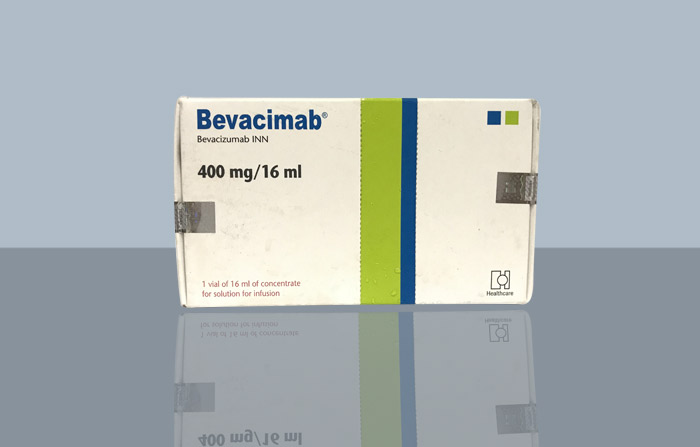
Indications - Bevacizumab is indiated for- Metastatic Colorectal Cancer (mCRC) Non-Squamous Non–Small Cell Lung Cancer (NSCLC) Glioblastoma Metastatic Renal Cell Carcinoma (mRCC) Persistent, Recurrent, or Metastatic Carcinoma of the Cervix Platinum-Resistant Recurrent Epithelial Ovarian, Fallopian Tube, or Primary Peritoneal Cancer
Dosage & Administration - Dosage Metastatic Colorectal Cancer (mCRC): The recommended doses are 5 mg/kg or 10 mg/kg every 2 weeks when used in combination with intravenous 5-FU-based chemotherapy. Administer 5 mg/kg when used in combination with bolus-IFL. Administer 10 mg/kg when used in combination with FOLFOX4. Administer 5 mg/kg every 2 weeks or 7.5 mg/kg every 3 weeks when used in combination with a fluoropyrimidine-irinotecan or fluoropyrimidine-oxaliplatin based chemotherapy regimen in patients who have progressed on a first-line Bevacizumab-containing regimen. Non-Squamous Non-Small Cell Lung Cancer (NSCLC): The recommended dose is 15 mg/kg every 3 weeks in combination with carboplatin and paclitaxel. Glioblastoma: The recommended dose is 10 mg/kg every 2 weeks. Metastatic Renal Cell Carcinoma (mRCC): The recommended dose is 10 mg/kg every 2 weeks in combination with interferon alfa. Cervical Cancer: The recommended dose of Bevacizumab is 15 mg/kg every 3 weeks as an intravenous infusion administered in combination with one of the following chemotherapy regimens: paclitaxel and cisplatin, or paclitaxel and topotecan. Platinum-Resistant Recurrent Epithelial Ovarian, Fallopian Tube or Primary Peritoneal Cancer: The recommended dose is 10mg/ kg every 2 weeks in combination with one of the following intravenous chemotherapy regimens: paclitaxel, pegylated liposomal doxorubicin, or topotecan (weekly); or 15 mg/kg every 3 weeks in combination with topotecan (every 3 weeks). Administration Do not administer as an intravenous push or bolus. Administer only as an intravenous (IV) infusion. Do not initiate Bevacizumab until at least 28 days following major surgery. Administer Bevacizumab after the surgical incision has fully healed. First infusion: Administer infusion over 90 minutes. Subsequent infusions: Administer second infusion over 60 minutes if first infusion is tolerated; administer all subsequent infusions over 30 minutes if infusion over 60 minutes is tolerated.
Side Effects - dry mouth, cough, voice changes, loss of appetite, diarrhea, nausea, vomiting, constipation, loss of appetite, mouth sores, headache, back , pain, cold symptoms (stuffy nose, sneezing, sore throat), dry or watery eyes, dry or flaky skin, hair loss, changes in your sense of taste, jaw pain/swelling/numbness, loose teeth, or gum infection.
Contraindications - There are no contraindications listed in the manufacturer’s labeling.
Others - Pregnancy & Lactation Pregnancy Category C. There are no adequate or well controlled studies of bevacizumab in pregnant women. It is not known whether Avastin is secreted in human milk.
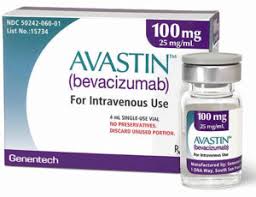
Avastin 100mg/4ml IV Infusion
- Brand Name - Avastin 100mg/4ml IV Infusion
- Generic Name - Bevacizumab
- Doges From - Injection
- Strength - 100 mg
- Pack Size - 1s
- Manufacture - Roche Bangladesh Ltd.
Customers who bought this item also bought