

Indications - Cilnidipine is indicated for the management of hypertension for end-organ protection. It is reported to be useful in elderly patients and in those with diabetes and albuminuria. Cilnidipine has been increasingly used in patients with chronic kidney disease Hypertension is the term used to describe the presence of high blood pressure. The blood pressure is generated by the force of the blood pumped from the heart against the blood vessels. Thus hypertension is caused when there is too much pressure on the blood vessels and this effect can damage the blood vessel
Dosage & Administration - Adults: 5-10 mg once daily after breakfast. Maximum dose: 20 mg once daily. Pediatric use: The safety of Cilnidipine in pediatric patients has not been established. Elderly use: Since the elderly may be more susceptible to hypotension, therapy should be initiated with the lowest possible dose (5 mg).
Side Effects - The most common side effects of Cilnidipine are: Dizziness; flushing; headache; hypotension; peripheral oedema; palpitations; GI disturbances; increased micturition frequency; lethargy; eye pain; depression.
Contraindications - Cilnidipine is contraindicated in patients with known sensitivity to Cilnidipine or any of the excipients or patients having cardiogenic shock, recent MI or acute unstable angina and severe aortic stenosis.
Others - Pregnancy & Lactation Cilnidipine should not be administered in pregnant woman or woman having possibilities of being pregnant. It is also advisable to avoid the administration of Cilnidipine to nursing mothers. However, if the administration is indispensable, the patient should be instructed to discontinue lactation.
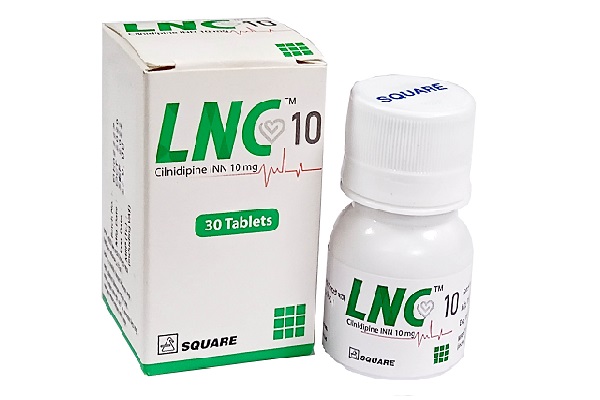
Tablet LNC 10mg
- Brand Name - LNC 10 Tablet
- Generic Name - Cilnidipine
- Doges From - Tablet
- Strength - 10 mg
- Pack Size - 30s
- Manufacture - Square Pharmaceutical Ltd.
Customers who bought this item also bought

